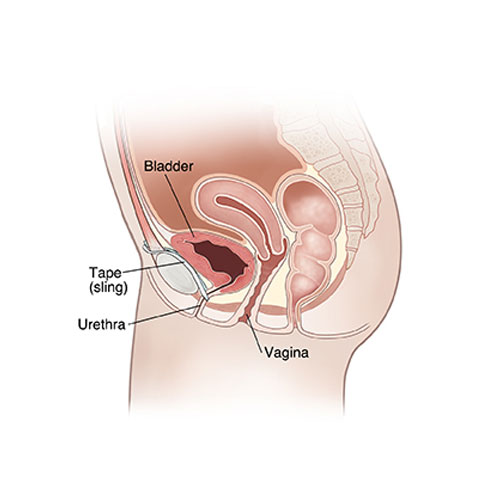
Sling surgery is a minimally invasive procedure used to support the uterus or vaginal structures in young women experiencing pelvic organ prolapse. It is a uterus-preserving option often chosen by women who wish to maintain fertility or avoid hysterectomy.
What Is Pelvic Organ Prolapse?
Dropping or bulging of the uterus, bladder, or rectum into the vaginal canal
Common in women after childbirth or due to pelvic floor weakness
Can cause discomfort, pressure, urinary issues, or sexual dysfunction
Why Choose Sling Surgery?
Preserves the uterus (no need for hysterectomy)
Minimally invasive and quicker recovery
Suitable for younger women with future pregnancy plans
Provides long-term pelvic support
Common Sling Procedures:
Sacrohysteropexy (laparoscopic or abdominal)
Uterosacral ligament suspension
Vaginal mesh sling support (used selectively)
Risks & Considerations:
Possibility of recurrence over time
Risk of mesh-related complications (in specific types)
Bladder or bowel injury (rare)
Sling surgeries offer an excellent alternative for young women with prolapse, especially those wishing to retain their uterus and restore pelvic function with minimal downtime.